Individualised physiotherapy to support mobility, function, and long-term independence
Cerebral palsy (CP) is a neurological condition that affects movement, posture, muscle tone, and coordination. The presentation and impact of CP vary widely from child to child. Early and ongoing physiotherapy plays a critical role in helping children improve mobility, manage tone, develop functional skills, and participate more actively in daily life.
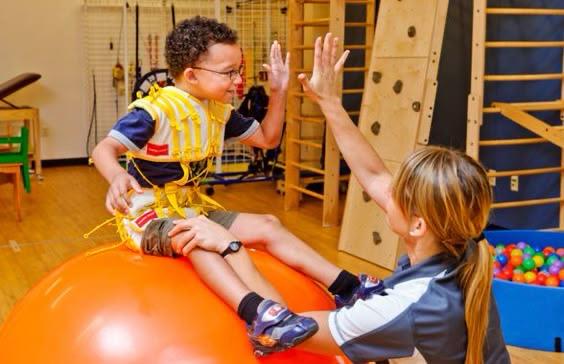
At Next Level Speech and Physiotherapy Dubai, our pediatric physiotherapists provide structured, long-term physiotherapy programs for children across all levels of cerebral palsy, focusing on comfort, functional progress, and quality of life.
Families from Dubai Marina, JLT, JBR, Palm Jumeirah, Bluewaters Island, and surrounding areas rely on us for consistent, compassionate neurological care.
To explore how this service fits within our broader offerings, visit our Pediatric Physiotherapy services.
Understanding Cerebral Palsy and Movement Challenges
Cerebral palsy results from early brain injury or abnormal brain development and may affect:
- Muscle tone (low tone, high tone, or mixed tone)
- Posture and alignment
- Balance and coordination
- Voluntary movement control
- Walking ability and endurance
- Fine and gross motor skills
Children with CP may have difficulty sitting independently, standing, walking, or transitioning between positions, depending on the severity and type of CP.
GMFCS Levels: Guiding Therapy Goals
The Gross Motor Function Classification System (GMFCS) helps describe a child’s level of mobility and guides realistic therapy planning.
- Level I: Walks independently with minor balance or coordination challenges
- Level II: Walks with limitations; may struggle on uneven surfaces or long distances
- Level III: Walks with assistive devices; may use a wheelchair for longer distances
- Level IV: Limited self-mobility; uses powered mobility or assistance
- Level V: Severe movement limitations; requires full assistance for mobility
Therapy goals are always individualised and focused on maximising functional ability within each level.
Comprehensive Assessment for CP
Our assessment looks beyond diagnosis and focuses on functional ability. This includes:
- Evaluation of muscle tone, stiffness, and flexibility
- Joint range of motion assessment
- Posture and alignment analysis
- Balance and trunk control evaluation
- Observation of functional skills (rolling, sitting, standing, walking)
- Gait analysis when applicable
- Review of current assistive devices or orthoses
- Discussion with parents about daily routines, challenges, and goals
Parents receive a clear, realistic therapy roadmap based on their child’s abilities.
Physiotherapy Focus Areas
Cerebral palsy physiotherapy programs may include:
- Tone management strategies to reduce stiffness or improve stability
- Strengthening exercises within safe movement ranges
- Trunk and postural control training
- Balance and coordination activities
- Gait training for children who are ambulatory
- Functional skill training (transfers, sitting, standing)
- Stretching to maintain joint mobility and prevent contractures
- Endurance-building activities for daily participation
Therapy is adapted continuously as the child grows and develops.
Mobility Training and Equipment Guidance
For many children with CP, mobility aids support independence. We provide guidance on:
- Walkers, gait trainers, and standing frames
- Orthoses (AFOs and supportive braces)
- Seating and positioning systems
- Wheelchair mobility and posture support
- Safe transitions between devices
We help families understand how and when to use equipment effectively.
Home Programs and Parent Involvement
Parent involvement is essential in CP management. We support families through:
- Structured home exercise programs
- Daily stretching and positioning routines
- Guidance on safe handling and transfers
- Activity suggestions to support function and participation
- Training to integrate therapy into daily routines
Home-based physiotherapy sessions are also available for families who prefer care in familiar environments.
Long-Term Rehabilitation and Ongoing Support
Cerebral palsy requires long-term, adaptable care. Our approach includes:
- Regular reassessment during growth spurts
- Program modification as functional abilities change
- Prevention of secondary complications
- Support for school participation and community mobility
- Collaboration with other healthcare providers when needed
The goal is not just movement improvement, but long-term comfort, independence, and participation.
Why Families Choose Next Level Speech and Physiotherapy Dubai
Parents trust our clinic because we offer:
- DHA-licensed pediatric physiotherapists experienced in CP management
- Individualised programs across all GMFCS levels
- A supportive, child-centred environment
- Clinic and home-based therapy options
- Clear communication and realistic goal setting
- Long-term commitment to neurological rehabilitation
We partner with families to support each child’s unique journey.
Book a Cerebral Palsy Physiotherapy Assessment
We support children and families from Dubai Marina, JLT, JBR, Bluewaters Island, Palm Jumeirah, and nearby areas.
To arrange an assessment or speak with our team, please contact us.
GMFCS Levels Guide Therapy — They Do Not Define Potential
GMFCS levels help therapists understand a child’s current mobility and plan appropriate support. They are not predictors of intelligence, motivation, or quality of life.
Physiotherapy uses GMFCS as a framework for setting realistic, functional goals that enhance independence, comfort, and participation. Progress may look different for each child, but every gain matters.
A strengths-based approach ensures therapy focuses on what the child can do and how to build upon it.
FAQs – Cerebral Palsy Physiotherapy
1. Can physiotherapy cure cerebral palsy?
No, CP is a lifelong condition. Physiotherapy helps improve function, mobility, and quality of life.
2. When should physiotherapy start for CP?
As early as possible. Early intervention supports better motor development and prevents complications.
3. How often will my child need therapy?
Frequency depends on the child’s needs, goals, and GMFCS level. Many benefit from regular, ongoing therapy.
4. Will my child be able to walk?
Walking ability depends on the type and severity of CP. Therapy focuses on maximising each child’s potential.
5. Does physiotherapy help non-ambulatory children?
Yes. Therapy supports posture, comfort, positioning, and functional participation even if walking is not the goal.
6. Are assistive devices necessary?
Some children benefit from devices to support mobility and independence. Recommendations are made individually.
7. How involved should parents be?
Very involved. Home programs and daily routines play a major role in progress.
8. Do you offer home-based CP physiotherapy?
Yes. Home sessions are available and often beneficial for neurological cases.
9. How long will therapy continue?
Many children benefit from long-term therapy, adjusted over time as needs change.
10. How can I get started?
You can begin by visiting our Contact Us page to book an assessment.