Helping children walk with better alignment, balance, and confidence
Gait disorders refer to walking patterns that differ from typical heel-to-toe movement. These may include in-toeing, out-toeing, knock knees, bow legs, leg length differences, or unsteady walking. While some variations are part of normal development, persistent or worsening gait issues can affect balance, coordination, endurance, and confidence during play and daily activities.
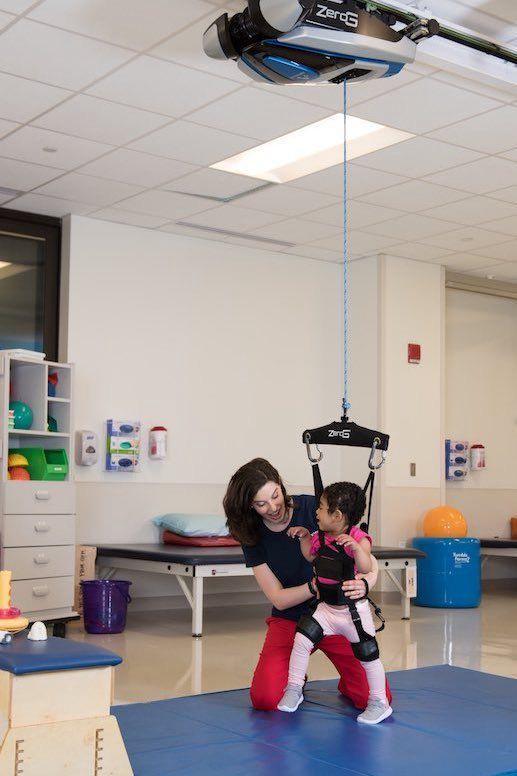
At Next Level Speech and Physiotherapy Dubai, our pediatric physiotherapists provide structured, child-friendly gait correction programs designed to improve alignment, strength, and walking efficiency.
Families across Dubai Marina, JLT, JBR, Palm Jumeirah, Bluewaters Island, and nearby areas seek our support for early and effective gait management.
To see how this service fits within our full care offering, visit our Pediatric Physiotherapy services.
Signs That a Walking Pattern May Need Attention
Parents often notice gait concerns when a child:
- Walks with feet turned inward (in-toeing) or outward (out-toeing)
- Has knees that touch (knock knees) or legs that curve outward (bow legs)
- Appears uneven when walking or running
- Tires easily during play
- Trips or falls more often than peers
- Shows reduced balance or coordination
- Avoids running or playground activities
- Complains of leg discomfort after activity
Early evaluation helps distinguish between normal developmental phases and patterns that benefit from physiotherapy.
Common Gait Patterns We Address
Our gait correction program supports children with:
- In-toeing caused by hip rotation, tibial torsion, or foot alignment
- Out-toeing related to posture, muscle imbalance, or joint positioning
- Knock knees (genu valgum) during growth phases
- Bow legs (genu varum) beyond expected developmental timelines
- Leg length differences affecting balance and posture
- Unsteady or asymmetrical walking
- Abnormal gait patterns linked to weakness, coordination challenges, or neurological conditions
Each child’s gait pattern is assessed individually to guide targeted treatment.
How We Assess Walking and Alignment
Our assessment focuses on how your child moves during everyday activities. This includes:
- Observation of walking, running, and turning
- Foot position and alignment analysis
- Hip, knee, and ankle mobility assessment
- Strength testing of core and lower limbs
- Balance and coordination evaluation
- Postural alignment review
- Functional movement tasks such as stair climbing or hopping
- Review of growth history and daily activity habits
Parents receive a clear explanation of findings and realistic expectations for improvement.
Corrective Therapy: Improving Walking Efficiency
Treatment plans are personalised and may include:
- Strengthening exercises for hips, thighs, ankles, and core
- Balance and stability training
- Gait retraining to encourage proper foot placement
- Alignment-focused exercises for knees and lower limbs
- Functional activities that reinforce corrected movement patterns
- Coordination drills for smoother walking and running
- Stretching for tight muscles affecting alignment
- Guidance on footwear or orthotic support when appropriate
Therapy is progressive, age-appropriate, and engaging.
Daily Habits That Support Better Gait
Small changes at home can make a big difference. We guide families on:
- Proper sitting and standing habits
- Encouraging barefoot play when appropriate
- Activity choices that support alignment
- Reducing habits that reinforce poor walking patterns
- Simple cues to promote symmetrical movement
These strategies help maintain progress outside therapy sessions.
Home Practice and Long-Term Progress
Children show the best results when therapy is supported at home. We provide:
- Easy-to-follow home exercise routines
- Fun movement games that reinforce corrected walking
- Guidance on how often to practise
- Tips for monitoring alignment during growth spurts
Home-based physiotherapy sessions are also available for families who prefer treatment in familiar surroundings.
What Improvement Typically Looks Like
With consistent physiotherapy, many children experience:
- More symmetrical walking patterns
- Improved balance and coordination
- Reduced tripping and fatigue
- Better endurance during play and sports
- Increased confidence in movement
- Healthier posture during standing and walking
Progress is monitored regularly and programs are adjusted as the child grows.
Why Parents Choose Next Level Speech and Physiotherapy Dubai
Families trust us because we offer:
- DHA-licensed pediatric physiotherapists experienced in gait correction
- Individualised treatment plans based on growth and development
- A supportive, child-friendly environment
- Flexible clinic and home-based therapy options
- Clear guidance and practical home strategies
- Ongoing monitoring during key growth stages
Our goal is to help children move comfortably, efficiently, and confidently.
Book a Gait Assessment
We support children and families from Dubai Marina, JLT, JBR, Bluewaters Island, Palm Jumeirah, and surrounding communities.
To arrange an assessment or speak with our team, please contact us.
How Growth Spurts Influence Walking Patterns
Children’s walking patterns often change during growth spurts. As bones lengthen faster than muscles adapt, temporary changes in alignment, balance, or coordination can appear. This is a common time for gait issues such as in-toeing, knock knees, or unsteady walking to become noticeable.
Physiotherapy helps guide the body through these growth phases by strengthening supporting muscles, improving alignment, and reinforcing efficient movement patterns. Early intervention during growth periods can prevent minor gait changes from becoming persistent habits.
Monitoring gait during growth is not about restricting activity — it is about supporting healthy movement as the body changes rapidly.
FAQs – Gait Disorders & Walking Patterns
1. Are gait issues common in children?
Yes. Many children show variations during growth. Physiotherapy helps determine what is normal and what needs support.
2. Do all gait problems require treatment?
Not always. Some resolve naturally, while others benefit from targeted physiotherapy — especially if they persist or worsen.
3. Can gait issues cause pain later in life?
If left unaddressed, some gait patterns may lead to joint strain or posture issues. Early intervention helps reduce this risk.
4. How long does gait correction therapy take?
Mild concerns may improve within weeks. More complex patterns may require longer-term monitoring during growth.
5. Does my child need orthotics or braces?
Only if indicated after assessment. Many children improve with exercises alone.
6. Is physiotherapy suitable for school-age children and teens?
Yes. Gait correction is effective for toddlers through adolescence.
7. Can physiotherapy help with sports performance?
Yes. Improved alignment and balance often enhance running, jumping, and coordination.
8. Are home exercises necessary?
Yes. Consistent home practice supports faster and more lasting results.
9. Do you provide home-based gait therapy?
Yes. Home sessions are available for families who prefer them.
10. How do I get started?
Simply reach out through our Contact Us page to book an assessment.