Specialised long-term physiotherapy for children with complex neurological needs
Some children experience neurological challenges that require long-term, highly specialised rehabilitation. Conditions such as Hypoxic-Ischemic Encephalopathy (HIE), Spina Bifida, genetic neurological syndromes, and birth-related brain or nerve injuries can affect movement, posture, muscle tone, and overall functional development.
At Next Level Speech and Physiotherapy Dubai, our pediatric physiotherapists provide comprehensive, structured rehabilitation programs designed to support mobility, comfort, participation, and quality of life for children with complex neurological conditions.
Families across Dubai Marina, JLT, JBR, Palm Jumeirah, Bluewaters Island, and surrounding communities seek our expertise for consistent, compassionate, and goal-oriented neurological care.
To understand how this service integrates with our broader pediatric offerings, visit our Pediatric Physiotherapy services.
Conditions Supported Under This Program
This specialised rehabilitation service supports children with:
Hypoxic-Ischemic Encephalopathy (HIE)
Neurological injury caused by reduced oxygen or blood flow around birth, often affecting muscle tone, motor control, posture, and developmental milestones.
Spina Bifida
A neural tube defect affecting spinal cord development, often associated with weakness, sensory changes, postural challenges, and mobility limitations.
Genetic and Rare Neurological Syndromes
Conditions that impact muscle tone, coordination, balance, endurance, and functional independence.
Birth Trauma and Early Neurological Injuries
Including brain or nerve injuries sustained during delivery, leading to movement asymmetry, weakness, or delayed motor development.
Each child’s presentation is unique, requiring a highly individualised approach to therapy.
How Complex Neurological Conditions Affect Movement
Children with complex neurological needs may experience:
- High or low muscle tone, or mixed tone patterns
- Delayed or absent motor milestones
- Limited voluntary movement
- Poor postural control
- Restricted joint mobility
- Weakness or asymmetry
- Difficulty with balance and coordination
- Dependence on assistive devices for mobility
- Fatigue during minimal activity
Physiotherapy focuses on supporting function at every level of ability.
Comprehensive Neurological Assessment
Our assessment process looks beyond diagnosis to understand functional potential. This includes:
- Evaluation of muscle tone, stiffness, and movement quality
- Joint range of motion and alignment assessment
- Postural control in lying, sitting, and standing
- Functional movement evaluation (rolling, sitting, standing, walking)
- Balance and coordination assessment where applicable
- Review of assistive devices or orthoses
- Discussion with parents about daily routines, challenges, and priorities
This allows us to develop a realistic, meaningful therapy plan tailored to the child’s needs.
Rehabilitation Goals: Comfort, Function, and Participation
Physiotherapy goals are individualised and may include:
- Improving comfort and ease of movement
- Supporting head, trunk, and postural control
- Maintaining or improving joint mobility
- Enhancing functional skills such as sitting, standing, or assisted walking
- Reducing secondary complications such as contractures
- Supporting safe transfers and positioning
- Encouraging participation in daily routines and activities
Progress is measured in functional gains, not just movement milestones.
Therapy Techniques Used in Complex Neurological Care
Our sessions are carefully structured and may include:
- Gentle stretching and positioning strategies
- Facilitated movement to encourage controlled motor responses
- Weight-bearing activities for stability and bone health
- Functional strengthening within safe limits
- Trunk and postural control exercises
- Balance and coordination activities when appropriate
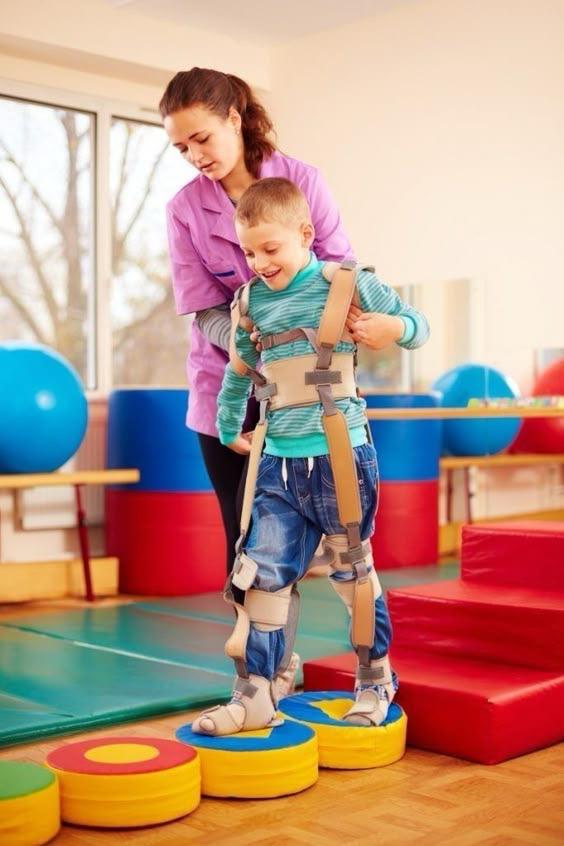
- Gait and mobility training using assistive devices
- Education on safe handling and transfers
Therapy is always adapted to the child’s tolerance, comfort, and medical considerations.
Assistive Equipment and Mobility Guidance
Many children with complex neurological needs benefit from supportive equipment. We guide families on:
- Standing frames and gait trainers
- Walkers and mobility aids
- Seating and postural support systems
- Orthoses and supportive braces
- Safe positioning at home and school
Our role is to ensure equipment supports function without limiting movement potential.
Home Programs and Caregiver Training
Caregiver involvement is essential for long-term success. We provide:
- Individualised home programs
- Daily stretching and positioning routines
- Guidance on safe handling and transfers
- Strategies to integrate therapy into daily care
- Education to support comfort and consistency
Home-based physiotherapy sessions are available for families who prefer therapy in familiar surroundings.
Long-Term Rehabilitation and Ongoing Monitoring
Children with complex neurological conditions require ongoing, adaptable support. Our long-term approach includes:
- Regular reassessment during growth and development
- Program adjustments as abilities and needs change
- Prevention of secondary complications
- Support for school integration and community participation
- Collaboration with other healthcare professionals when needed
Our focus is on sustained support, not short-term fixes.
Why Families Choose Next Level Speech and Physiotherapy Dubai
Parents trust our clinic because we offer:
- DHA-licensed pediatric physiotherapists experienced in complex neurological rehabilitation
- Individualised, goal-oriented therapy programs
- A calm, supportive, child-centred environment
- Clinic and home-based physiotherapy options
- Clear communication and caregiver education
- Long-term commitment to children with complex needs
We partner closely with families to support every step of their child’s journey.
Book a Neurological Rehabilitation Assessment
We support children and families from Dubai Marina, JLT, JBR, Bluewaters Island, Palm Jumeirah, and nearby communities.
To arrange an assessment or speak with our team, please contact us.
Redefining Progress in Complex Neurological Care
For children with complex neurological conditions, progress is not always measured by milestones alone. Improvements in comfort, posture, ease of movement, and participation in daily routines are equally important.
Physiotherapy supports meaningful functional gains that improve quality of life for both the child and family. Small changes can significantly reduce physical strain and enhance daily care.
This long-term, supportive approach recognises each child’s unique journey and focuses on achievable, meaningful outcomes.
FAQs – Complex Neurological Rehabilitation
1. Is physiotherapy helpful for children with severe neurological conditions?
Yes. Physiotherapy supports comfort, posture, mobility, and participation, regardless of severity.
2. When should rehabilitation begin?
As early as possible. Early intervention supports better long-term outcomes and prevents complications.
3. Will my child ever walk?
Walking ability depends on the condition and severity. Therapy focuses on maximising functional independence at every level.
4. Is therapy painful for children with neurological conditions?
No. All techniques are gentle and adapted to the child’s comfort and tolerance.
5. How often will therapy be needed?
Many children benefit from regular, ongoing therapy. Frequency is based on individual needs and goals.
6. Are assistive devices always necessary?
Not always, but when used appropriately, they can greatly improve comfort and independence.
7. Do parents need training to support therapy?
Yes. Caregiver education is a vital part of long-term neurological management.
8. Are home therapy sessions available?
Yes. Home-based rehabilitation is available and often beneficial for complex cases.
9. Will therapy continue as my child grows?
Yes. Therapy evolves alongside the child’s development and changing needs.
10. How do I get started?
You can begin by visiting our Contact Us page to book an assessment.