
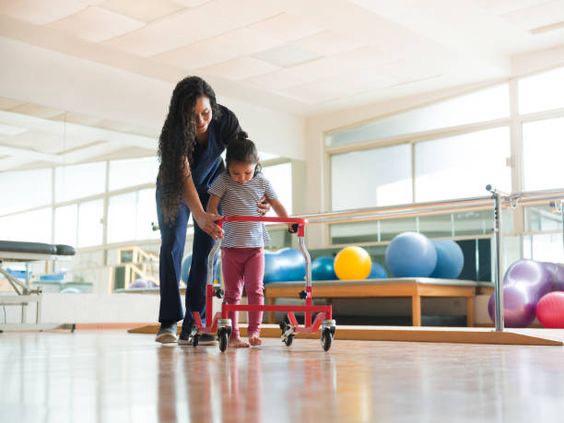
Helping children develop a stable, confident, heel-to-toe walking pattern
Toe-walking is a walking pattern where a child consistently walks on the balls of their feet instead of placing the heels down. While occasional toe-walking can be normal in early toddlers, persistent toe-walking may indicate muscle tightness, sensory differences, motor-planning challenges, or neurological involvement.
At Next Level Speech and Physiotherapy Dubai, our pediatric physiotherapists provide structured, child-friendly rehabilitation to help children transition toward a safe, efficient, and age-appropriate walking pattern.
We support families across Dubai Marina, JLT, JBR, Palm Jumeirah, Bluewaters Island, and nearby communities.
To understand how this service fits within our broader care approach, visit our Pediatric Physiotherapy services.
When Toe-Walking Becomes a Concern
Parents may want to seek physiotherapy if their child:
- Walks on toes most of the time after age 2
- Is unable to place heels down when asked
- Shows tight calf muscles or limited ankle movement
- Frequently trips or loses balance
- Complains of leg fatigue or discomfort
- Avoids barefoot walking
- Demonstrates delayed balance or coordination
- Has associated developmental or sensory concerns
Early assessment helps determine whether toe-walking is habitual, sensory-related, or linked to physical or neurological factors.
Why Children Walk on Their Toes
Toe-walking can occur for several reasons, including:
- Habitual toe-walking without an underlying medical condition
- Tight calf muscles or shortened Achilles tendon
- Sensory processing differences (seeking or avoiding certain sensations)
- Weak core or lower-limb strength
- Motor-planning difficulties
- Developmental delays
- Neurological conditions such as CP or HIE
Identifying the root cause is essential for effective treatment.
How We Evaluate Walking Patterns
Our assessment focuses on understanding how your child walks, moves, and balances. This may include:
- Observation of barefoot and shoe-assisted walking
- Ankle flexibility and calf muscle length assessment
- Strength testing of legs and core muscles
- Balance and coordination evaluation
- Posture and alignment analysis
- Gait pattern analysis during different activities
- Review of developmental history and daily habits
Parents receive a clear explanation of findings and recommended next steps.
Rehabilitation Strategies We Use
Our toe-walking rehabilitation program is tailored to your child’s specific needs and may include:
- Stretching exercises for tight calf muscles
- Strengthening of ankle, leg, and core muscles
- Balance and stability training
- Gait retraining to encourage heel-to-toe walking
- Sensory-motor activities when sensory factors are involved
- Motor-planning exercises to improve movement control
- Functional play that reinforces correct walking patterns
- Advice on footwear or orthotic support if required
Sessions are engaging and motivating, helping children feel confident while learning new movement patterns.
Role of Home Practice in Gait Correction
Consistent practice outside therapy sessions significantly improves outcomes. We guide parents on:
- Daily stretches and strengthening exercises
- Walking games that promote heel contact
- Activities to improve balance and coordination
- Strategies to reduce habitual toe-walking during play
- How to encourage proper walking without constant correction
Families can also opt for home-based physiotherapy sessions for added comfort and convenience.
What Progress Looks Like
With consistent therapy and home support, many children show:
- Improved heel contact during walking
- Increased ankle flexibility
- Better balance and coordination
- Reduced fatigue during play
- More confidence in running and jumping
- Improved overall gait efficiency
Early intervention often leads to faster and more lasting results.
Why Families Choose Next Level Speech and Physiotherapy Dubai
Parents trust us because we provide:
- DHA-licensed pediatric physiotherapists experienced in gait disorders
- Individualised treatment based on the cause of toe-walking
- A positive, child-friendly therapy environment
- Clinic and home-based treatment options
- Clear guidance and practical home programs
- Ongoing progress monitoring and adjustment
Our goal is to help children walk comfortably, safely, and confidently.
Book an Assessment
We welcome children from Dubai Marina, JLT, JBR, Bluewaters Island, Palm Jumeirah, and nearby areas.
To schedule a consultation, please visit our Contact Us page.
Habit, Sensory Need, or Physical Limitation?
Toe-walking is not a single condition; it is a walking pattern that can develop for different reasons. Some children toe-walk out of habit, others due to sensory processing differences, and some because of muscle tightness or neurological factors.
Understanding why a child is toe-walking is essential. Treating all toe-walking the same way can lead to frustration or limited progress. Physiotherapy assessment helps identify the underlying contributors and guide an appropriate plan.
Targeted therapy focuses on flexibility, strength, sensory integration, and gait retraining — depending on the child’s needs. Addressing the root cause improves long-term outcomes and reduces the risk of secondary issues such as calf tightness or balance difficulties.
FAQs – Toe-Walking Rehabilitation
1. Is toe-walking normal in young children?
Occasional toe-walking can be normal in toddlers, but persistent toe-walking after age 2 should be assessed.
2. Can toe-walking correct itself without treatment?
Some cases resolve naturally, but many benefit from physiotherapy — especially if muscle tightness or sensory factors are present.
3. Does toe-walking mean my child has a neurological condition?
Not always. Many children toe-walk due to habit or muscle tightness. An assessment helps identify the cause.
4. How long does rehabilitation usually take?
Mild cases may improve within weeks, while more complex cases may need longer-term support.
5. Will my child need special shoes or braces?
Not in all cases. If needed, recommendations are made based on assessment findings.
6. Is toe-walking painful for children?
It can lead to fatigue, calf tightness, or discomfort over time. Therapy helps reduce these issues.
7. Are home exercises really important?
Yes. Consistent home practice plays a major role in correcting walking patterns.
8. Can therapy help older children who still toe-walk?
Yes. Physiotherapy is effective for preschool and school-age children.
9. Do you offer home-based gait therapy?
Yes. Home sessions are available for families who prefer therapy in familiar surroundings.
10. How do I get started?
Simply reach out through our Contact Us page to book an assessment.