She had the surgery six weeks ago. The surgeon was pleased with how it had gone. But she still could not open a jar, still could not type for more than ten minutes without pain, and the hand that had operated machinery and prepared meals and written reports for thirty years felt like something borrowed.
The surgery addressed the structural problem. What comes after is the functional one.
Upper limb injuries are among the most common injuries an adult can sustain, accounting for roughly half of all injuries to the human body. The hand, wrist, and forearm are involved in almost everything a person does in a day. When they are injured, operated on, or affected by a condition, the impact lands immediately and practically: in the kitchen, at the desk, in the bathroom, in every interaction that involves picking something up or putting something down.
At Next Level Speech and Physiotherapy Center, Dubai, our adult OT team works with adults on hand and upper limb rehabilitation, building the functional dexterity, strength, and coordination that daily life requires.
What Hand and Upper Limb OT Addresses
OT for the hand and upper limb is focused on function. The goal is not a strength measurement or a range of motion score in isolation. It is the ability to use the hand and arm in the tasks that matter to the person: cooking, writing, driving, returning to work, managing personal care.
The conditions our team works with include hand and wrist fractures following immobilization, post-surgical rehabilitation following tendon, ligament, or joint procedures, nerve injuries affecting sensation and grip, repetitive strain and overuse conditions including carpal tunnel syndrome and tendinopathies, arthritis of the hand, wrist, and fingers, and upper limb involvement following a stroke or other neurological event.
Each of these requires a different rehabilitation approach. The therapist identifies the specific functional gaps involved and builds a program around them.
Assessment
Assessment at Next Level Speech and Physiotherapy Center, Dubai covers grip strength, pinch strength, range of motion, sensation, fine motor dexterity, and the functional tasks the person finds most difficult. The assessment is guided by the person’s goals: what they need their hand to do, in their life, for their work or their daily routine.
Findings are shared clearly after the assessment, with a therapy plan that prioritizes the functional targets the person has identified. Progress is measured against those targets throughout rehabilitation.
What Therapy Involves
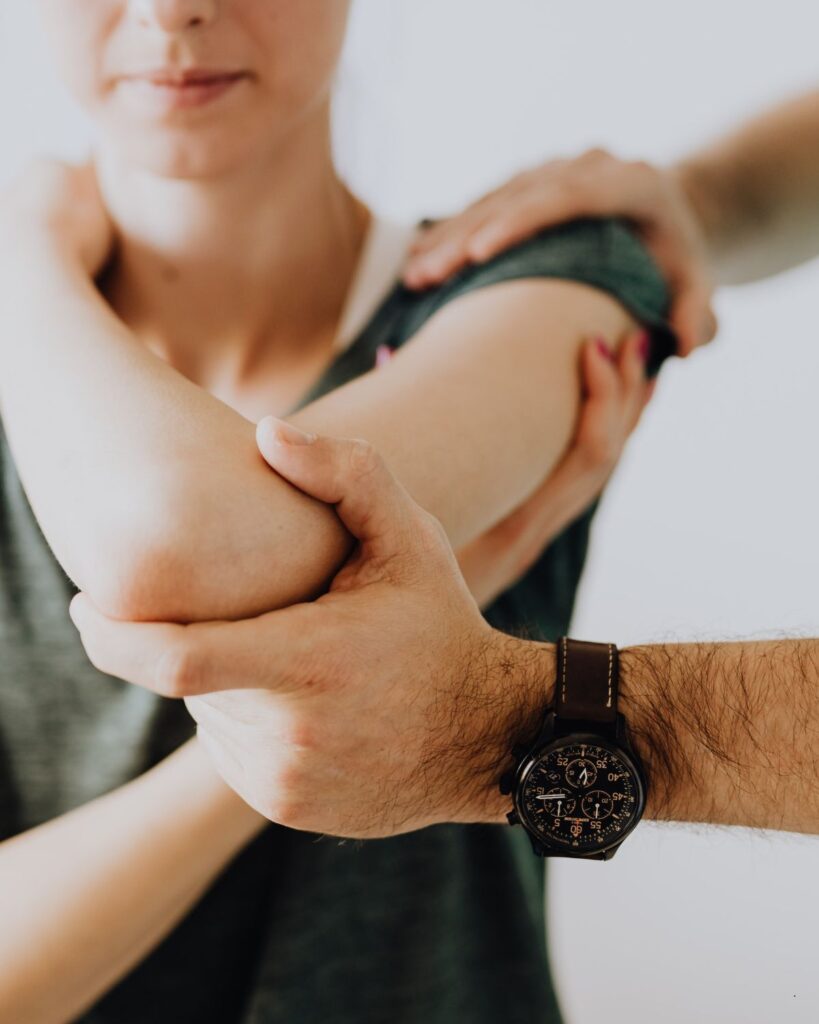
Hand rehabilitation OT uses a combination of approaches depending on the condition and stage of recovery.
Splinting and orthotic management: custom or prefabricated splints to protect healing structures, position the hand appropriately, or prevent contracture during recovery. Oedema and scar management: specific techniques to reduce swelling and manage scar tissue following injury or surgery, both of which directly affect functional range of motion. Progressive strengthening and dexterity work: graded activities that build grip and pinch strength, fine motor coordination, and the hand-eye coordination that functional tasks require. Desensitization: for adults with altered or hypersensitive sensation following nerve injury, a structured desensitization program rebuilds comfortable hand use. Functional task practice: using the specific tasks that matter to the person as the medium for rehabilitation, whether that is keyboard use, food preparation, or managing tools and equipment relevant to their work.
Return to work is addressed specifically where it is a goal. The therapist assesses the physical demands of the role, identifies the functional capacity currently available, and builds a graded program that bridges the gap.
What Progress Looks Like
Progress in hand rehabilitation is measurable and tends to be visible relatively quickly when the approach is well-targeted. Grip strength that was significantly reduced rebuilds over weeks. Fine motor tasks that required conscious effort become more automatic. Pain with specific movements reduces as the underlying structure heals and the surrounding tissue is managed appropriately.
The timeline varies considerably by condition. A post-fracture rehabilitation program looks different from a nerve injury recovery, which looks different again from managing a progressive arthritic condition. The therapist will give a realistic picture after the assessment, including what to expect at each stage of recovery.
Adults from Dubai Marina, JBR, and surrounding communities frequently tell us that the marker they care about most is not a clinical measurement. It is the first time they manage a task they had stopped attempting.
Why Next Level Speech and Physiotherapy Center, Dubai
All therapists hold DHA licensure. The clinic is in JBR, accessible from Dubai Marina, JLT, Palm Jumeirah, and Bluewaters. Appointment scheduling is flexible, and the team includes therapists working across languages.
For adults whose upper limb rehabilitation sits alongside neurological recovery, stroke rehabilitation, or other physiotherapy needs, those teams work alongside each other at the clinic. A coordinated approach to rehabilitation across disciplines consistently produces better outcomes.
Book a Hand Rehabilitation Assessment
If a hand or upper limb injury, surgery, or condition is affecting your ability to manage daily tasks, an assessment will give you a clear plan for rebuilding functional capacity.
Adults from Dubai Marina, JBR, JLT, and surrounding communities are welcome to reach out through our contact page or message us on WhatsApp. For a full overview of adult OT services at the clinic, visit our adult occupational therapy page.
Frequently Asked Questions
When should I start OT after hand surgery? Timing depends on the procedure and what the surgeon specifies. For many hand surgeries, OT begins within days of the operation, initially focusing on oedema management, splinting, and protected movement. Your surgeon’s post-operative protocol will guide the timing, and the OT team will work within those parameters. If you are unsure, contact us and we will advise based on your specific situation.
Do I need a referral from a surgeon or doctor to access hand OT? Not necessarily. Many adults come to us directly. If your insurer requires a referral for coverage purposes, check that before your first appointment. A formal referral is not required to begin therapy.
What is a hand splint and will I need one? A splint is a device worn on the hand or wrist to protect healing structures, position the joint correctly, or prevent contracture during recovery. Whether you need one depends on your condition and stage of recovery. Where a splint is indicated, the therapist can fabricate a custom one or fit a prefabricated splint appropriate to your needs.
My hand injury happened a year ago and I never had rehabilitation. Is it too late? Not necessarily. For some conditions, the window for certain types of recovery is time-sensitive. For others, including strengthening, dexterity retraining, and functional task practice, meaningful improvement is possible well after the acute phase. An assessment will clarify what is realistic for your specific situation.
Can OT help with arthritis in the hands? Yes. For arthritic hand conditions, OT focuses on joint protection strategies, splinting where appropriate, activity modification, and maintaining functional grip and dexterity for as long as possible. The goal is to manage the practical impact of the condition on daily life rather than to reverse it.
Will OT help me return to work after a hand injury? For many adults, return to work is the primary goal of hand rehabilitation. OT addresses the specific functional demands of your role, the current capacity of your hand, and the gap between them. This may include a graded return-to-work plan, workplace modifications, or adaptive equipment recommendations.
How many sessions will I need? This varies considerably by condition and goals. Post-surgical rehabilitation programs typically run over several weeks to months with regular sessions. For less complex conditions, a shorter program may be sufficient. The therapist will give a clear picture after the assessment.